What it is.
A simmer is liquid kept just below a boil. Small bubbles rise and break the top now and then. The surface moves, but it does not churn.
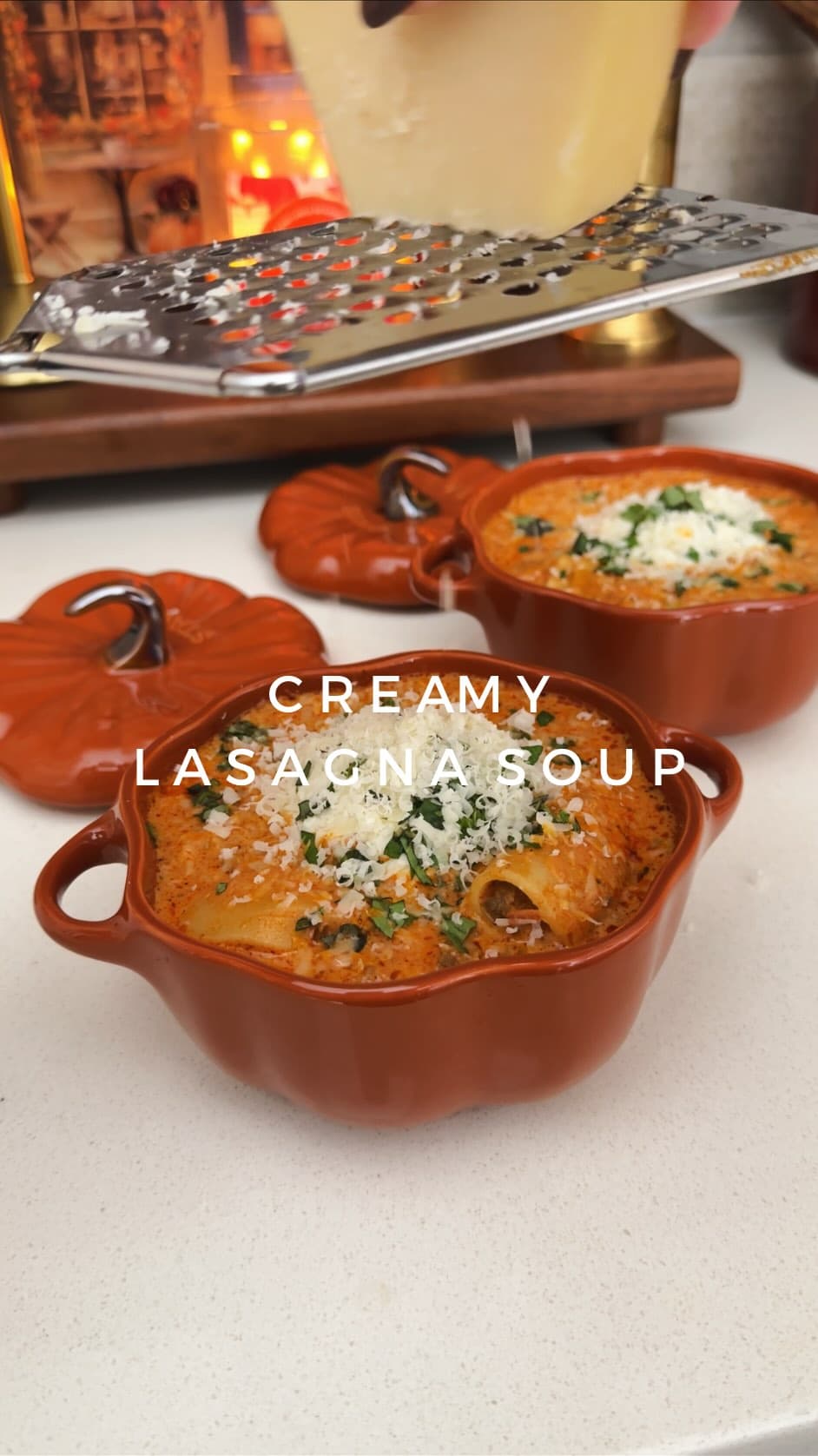
Soups, stews, sauces, beans and stock are simmered, often for a long time.
Why it works.
Water boils at 100°C (212°F) at sea level. A simmer sits a little lower. That gentler heat cooks food evenly from the outside in.
Meat stays more tender at a simmer. At a hard boil its outside cooks fast and gets tough and stringy before the middle is ready.
A hard boil also churns fat into a stock and turns it cloudy, and it makes thick sauces stick and burn on the bottom. A simmer avoids both.
What to look for.
- Small bubbles at the edge of the pot, a few in the middle.
- A soft, steady wisp of steam.
- A gentle bubbling sound, not a rumble.
Common mistakes.
- It keeps boiling hard.
- Turn the heat down and wait a minute. Pots hold heat, so it takes time to settle.
- With the lid on, it creeps back to a boil.
- Leave the lid a little open so some heat and steam can escape.
- Nothing is happening.
- Turn the heat up a little. You should see a few bubbles all the time.
- The sauce stuck to the bottom.
- Stir now and then, scraping the bottom, and keep the heat low.