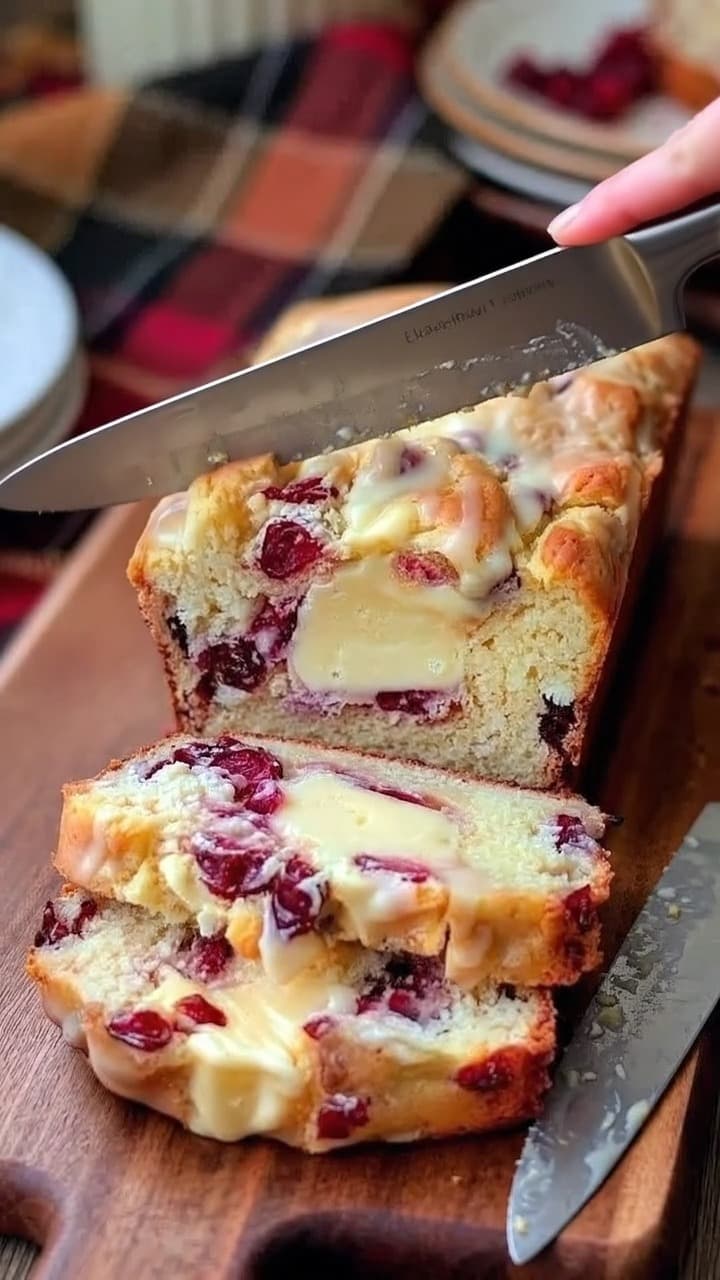
Cranberry cream cheese loaf cake
Recipe from Mediterranean Recipes 2026, from their Instagram reel. Baked in a 9 × 5-inch loaf pan.
- In an 8½" × 4½" loaf85% of everything
- Multiply each amount by0.85
- Unscaled, it sits17% deeper
The recipe wants a 9×13 and you own an 8×8. Here’s the multiplier, what it does to the batter depth, and how the timing shifts.
Free, no sign-up. It all runs in your browser.
Base area in square inches: the number that decides how deep the batter sits, and so how it bakes.
| Pan | Area | Shape |
|---|---|---|
| 6" round | 28.3 in² | Round |
| 7" round | 38.5 in² | Round |
| 8" round | 50.3 in² | Round |
| 9" round | 63.6 in² | Round |
| 10" round | 78.5 in² | Round |
| 8" × 8" square | 64 in² | Square |
| 9" × 9" square | 81 in² | Square |
| 9" × 13" rectangular | 117 in² | Rectangular |
| 11" × 7" rectangular | 77 in² | Rectangular |
| 8½" × 4½" loaf | 38.3 in² | Loaf |
| 9" × 5" loaf | 45 in² | Loaf |
| 9" springform | 63.6 in² | Specialty |
| 10" springform | 78.5 in² | Specialty |
| 10" bundt (12-cup) | 78.5 in² | Specialty |
| Quarter sheet (9" × 13") | 117 in² | Rectangular |
| Half sheet (13" × 18") | 234 in² | Rectangular |
Glass and dark metal hold more heat than light aluminium, so edges brown faster and the bake finishes sooner. Drop the oven about 10 °C for glass or a dark non-stick tin. The area conversion assumes you aren’t also changing material.
Once you have the multiplier, paste the ingredient list into the recipe scaler and enter it there. It gives back fractions instead of the 0.55-cup arithmetic you’d otherwise do at the counter.
Three published recipes moved to a tin you might own, worked through with the areas above.
Recipe from Mediterranean Recipes 2026, from their Instagram reel. Baked in a 9 × 5-inch loaf pan.
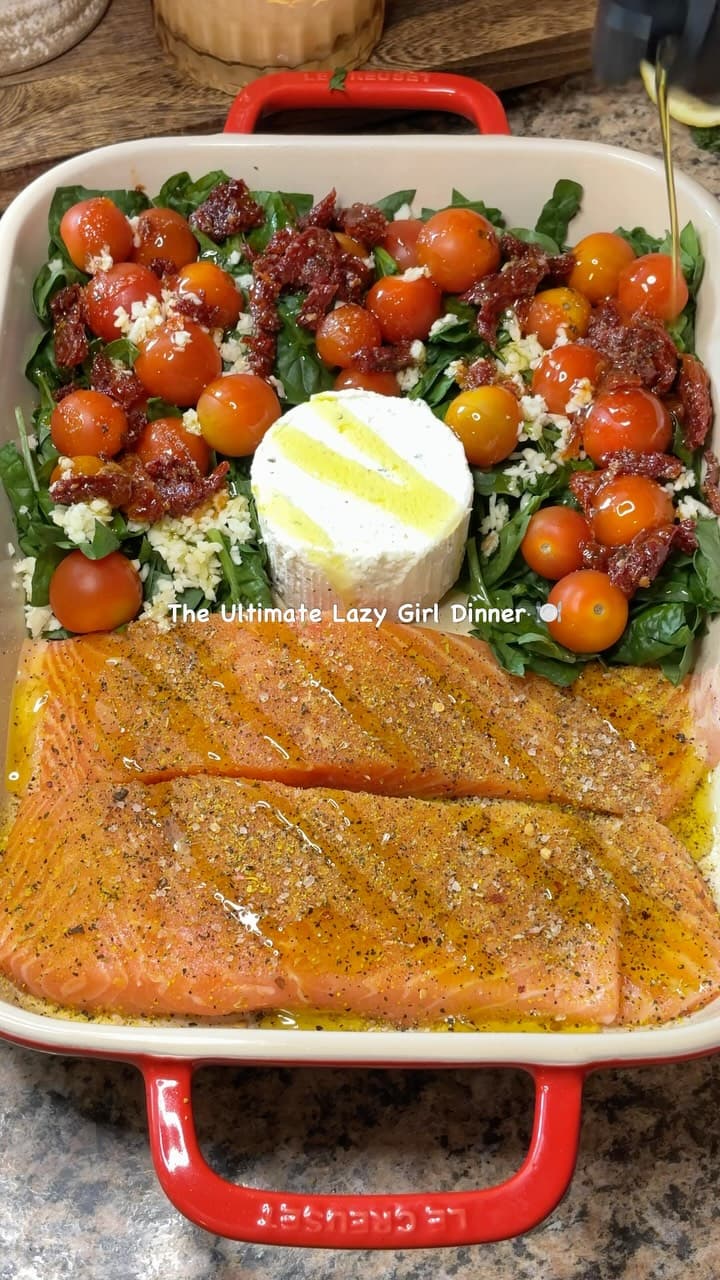
Recipe from Carman Wilken, from her Instagram reel. Baked in a 9 × 13-inch dish.
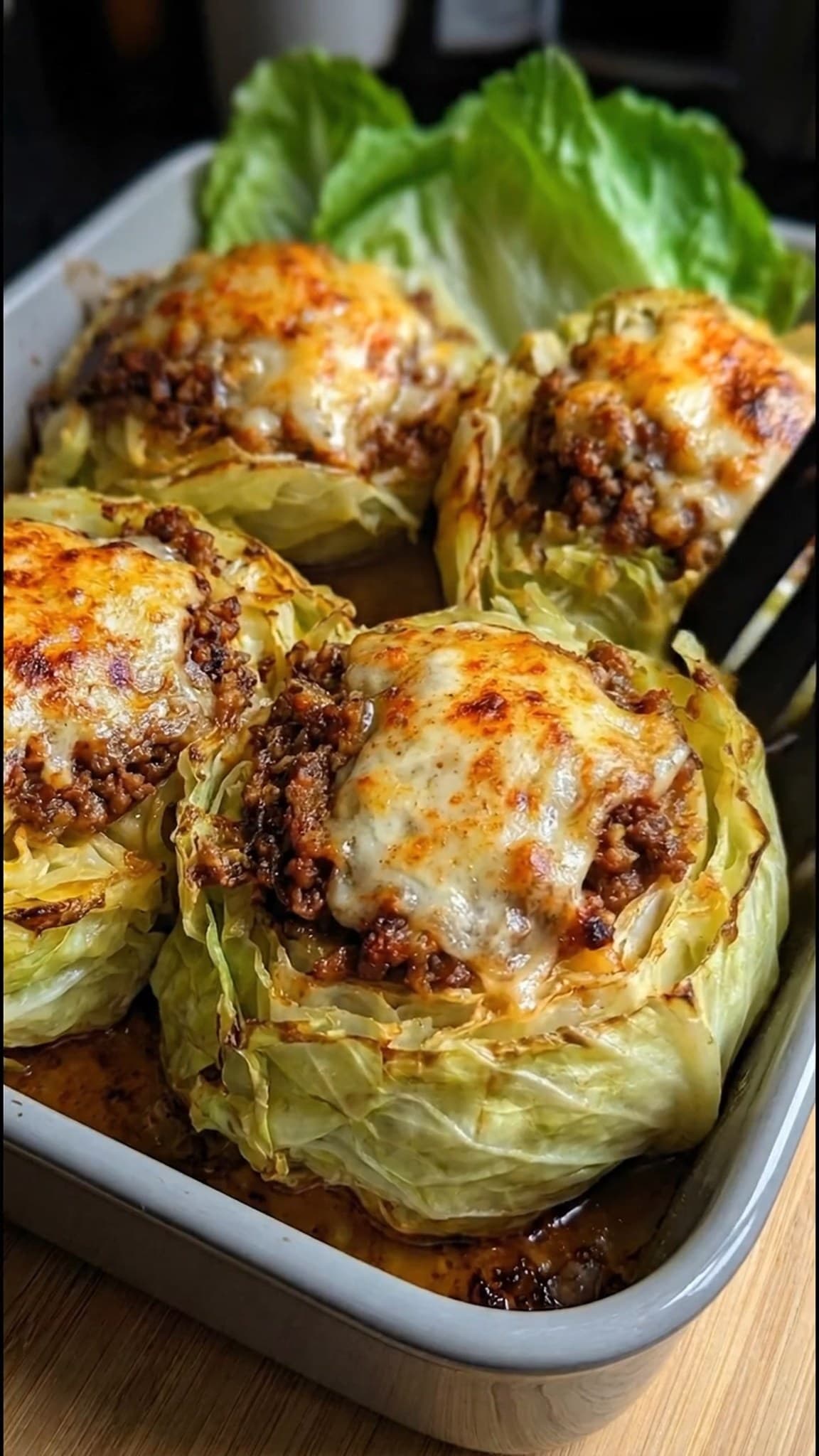
Recipe from quotidian recipes, from their Instagram reel. Baked in a 9 × 13-inch dish.
Keep the recipes you bake in one place.
ReelsMeals turns saved Reels, TikToks, YouTube videos and photos of paper recipes into cards you can search by ingredient, each linked to the original.
Try one reelBrowse recipesOnly with the recipe scaled down. A 9×13 has 117 square inches of base and an 8×8 has 64, about 55% of the area. Pour the full recipe into the smaller pan and the batter sits nearly twice as deep, so the edges set long before the centre. Scale the ingredients to 55% and the bake behaves normally.
Compare base areas. For a rectangular pan multiply length by width; for a round one use π times the radius squared. Divide the area of the pan you have by the area the recipe calls for, and that ratio is your ingredient multiplier. Depth is what changes how a bake behaves, and area sets the depth.
Very nearly, which is why they’re the classic swap. A 9-inch round is 63.6 square inches and an 8-inch square is 64, under 1% apart. Use either without touching the recipe.
As a rule of thumb, deeper batter needs more time at a slightly lower temperature, and shallower batter needs less time at the stated temperature. If you go much deeper, dropping the oven by 10–15 °C stops the outside setting before the middle catches up. Test the centre rather than trusting a converted time.
Two-thirds at most. Cake batter rises, and a tin filled higher will dome and crack or spill over. If the conversion asks for more than that, use a taller tin or split the batter between two.
No sign-up, all in the browser.